


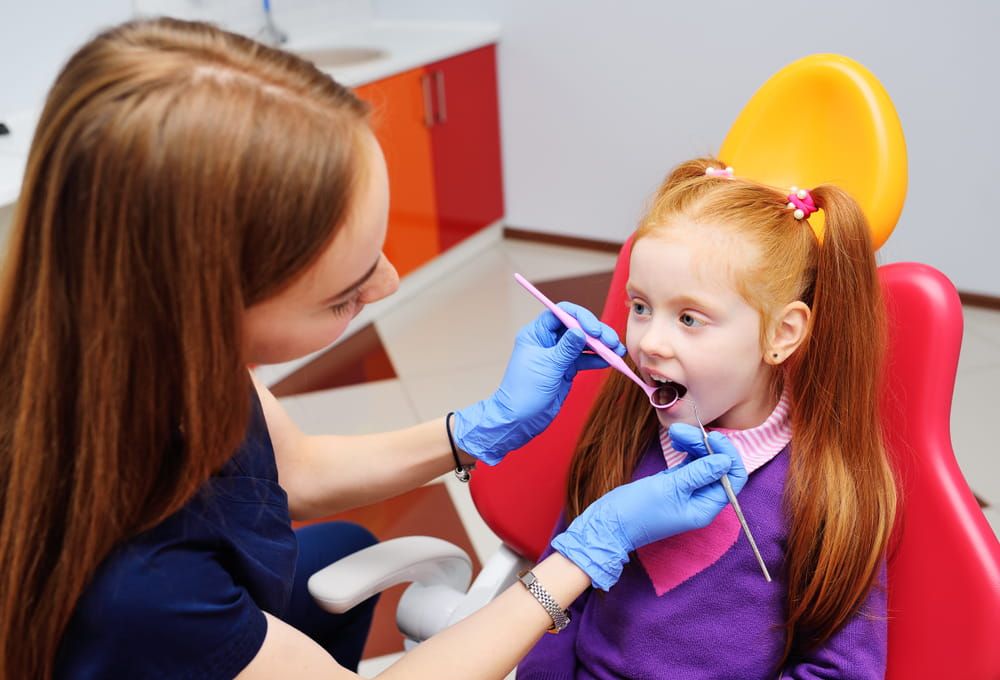
Access to quality dental care is essential for everyone, yet individuals with physical, developmental, or cognitive conditions often face unique challenges when it comes to maintaining oral health. At Tulsa Precision Dental in Tulsa, OK, Dr. Chris Vinson recognizes the importance of creating a supportive and accommodating environment where every patient can receive the care they need comfortably and safely. Special needs dentistry focuses on adapting dental care to meet each individual’s specific requirements, ensuring better outcomes and a more positive experience.
What Is Special Needs Dentistry?
Special needs dentistry is a branch of dental care designed for individuals who may require extra support due to medical, physical, behavioral, or emotional conditions. This can include patients with autism spectrum disorders, Down syndrome, cerebral palsy, sensory sensitivities, or chronic health conditions that make traditional dental visits more difficult.
The goal of this approach is to provide personalized care that takes into account each patient’s unique needs. This often involves modified techniques, specialized equipment, and additional time to ensure comfort and understanding. Services like General Dentistry play a foundational role in maintaining oral health, but special needs dentistry enhances these services with tailored strategies that prioritize patient well-being and accessibility.
Creating a Comfortable and Supportive Environment
One of the most important aspects of special needs dentistry is creating an environment where patients feel safe and at ease. For many individuals, dental anxiety or sensory sensitivities can make routine visits overwhelming. A calm, patient-centered approach can significantly reduce stress and improve cooperation during appointments.
Dentists may use techniques such as gradual desensitization, clear communication, and visual aids to help patients understand what to expect. In some cases, additional support methods like IV Sedation or Pediatric Sedation can be beneficial for patients who experience severe anxiety or have difficulty remaining still during procedures.
Caregivers also play a crucial role in this process. By working closely with dental professionals, they can help create consistent routines and reinforce positive experiences, making future visits more manageable.
Preventive Care and Long-Term Oral Health
Preventive care is especially important in special needs dentistry, as some individuals may be more prone to dental issues due to medications, dietary habits, or difficulty maintaining daily oral hygiene. Regular checkups and cleanings help identify potential problems early and prevent them from becoming more serious.
Scheduling routine Dental Cleaning & Consultation visits ensures that plaque buildup, gum health, and overall oral condition are carefully monitored. Preventive treatments such as fluoride applications and sealants may also be recommended to protect teeth from decay.
In addition to professional care, establishing a consistent at-home routine is key. Caregivers may need to assist with brushing and flossing or use adaptive tools designed to make oral hygiene easier. Education and guidance from dental professionals can empower families to maintain effective daily care habits.
Addressing Complex Dental Needs
Individuals with special needs may sometimes require more complex dental treatments due to underlying conditions or challenges with early intervention. Special needs dentistry ensures that these treatments are approached with sensitivity and careful planning.
Procedures such as Tooth Extractions or restorative treatments like Crowns and Bridges may be necessary to address damage or decay. In such cases, dentists often take extra steps to ensure patient comfort and minimize stress throughout the process.
Advanced diagnostic tools like CBCT Scans can also play a role in treatment planning, allowing for precise evaluation while reducing the need for multiple visits. A thoughtful, individualized approach helps ensure that each patient receives the most appropriate and effective care.
Improving Quality of Life Through Dental Care
Special needs dentistry goes beyond treating teeth—it plays a vital role in improving overall quality of life. Good oral health can enhance a person’s ability to eat, speak, and socialize comfortably, which contributes to greater confidence and well-being.
Untreated dental issues can lead to pain, infection, and difficulty performing daily activities. By addressing these concerns proactively, special needs dentistry helps individuals maintain better overall health. In some cases, treatments like Composite Tooth-Colored Fillings can restore function and appearance while providing a more comfortable and natural-looking solution.
The benefits extend to caregivers as well. Knowing that their loved one is receiving compassionate, specialized care can provide peace of mind and reduce the stress often associated with managing complex health needs.
Building Trust and Long-Term Relationships
Establishing trust is a cornerstone of successful special needs dentistry. Patients who feel comfortable with their dental provider are more likely to attend regular appointments and follow through with recommended care. Building this trust takes time, patience, and consistency.
Positive experiences during dental visits can help reduce fear and anxiety over time, making future care easier and more effective. Dentists often focus on creating predictable routines and celebrating small successes to encourage cooperation and confidence.
At Tulsa Precision Dental in Tulsa, OK, Dr. Chris Vinson emphasizes the importance of individualized care and long-term relationships. By fostering trust and understanding, special needs dentistry helps patients achieve better oral health outcomes and a more positive outlook on dental care.
Resources
American Academy of Pediatric Dentistry. (2022). Guideline on Management of Dental Patients with Special Health Care Needs. Pediatric Dentistry Journal.
National Institute of Dental and Craniofacial Research. (2023). Practical Oral Care for People With Developmental Disabilities. U.S. Department of Health and Human Services.
Glassman, P., & Miller, C. (2016). Preventing Dental Disease for People With Special Needs. Journal of the California Dental Association.