


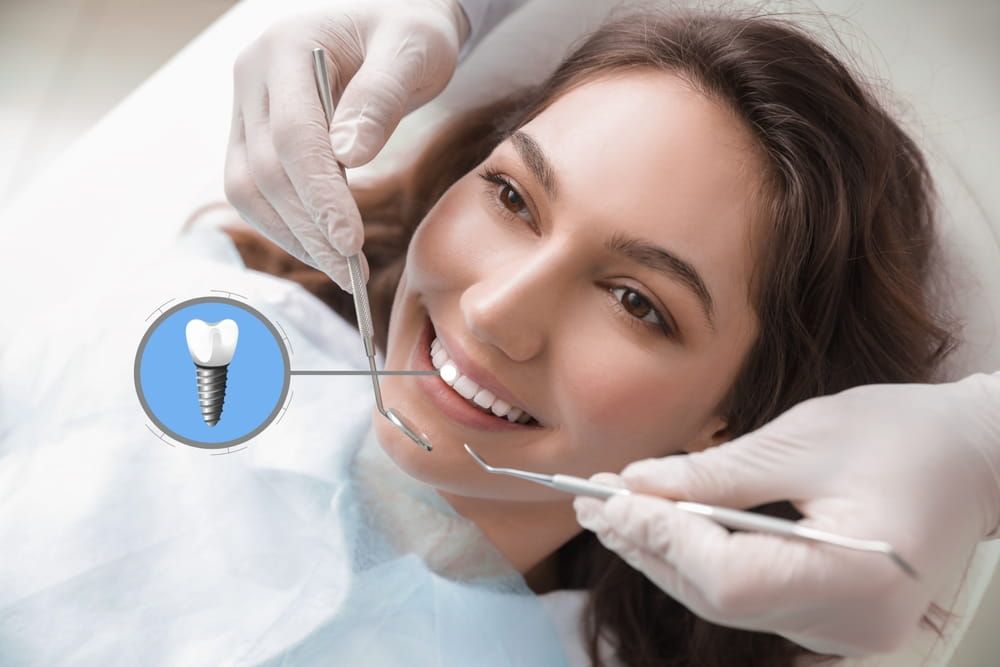
Dental implants are one of the most reliable and long-lasting solutions for replacing missing teeth, but their success depends heavily on proper care and maintenance. At Tulsa Precision Dental in Tulsa, OK, Dr. Chris Vinson emphasizes that while implants are designed to function like natural teeth, they still require consistent attention to remain healthy for years to come. Understanding how to care for your implants can help you avoid complications and protect your investment in your smile.
Understanding Dental Implants and Their Longevity
Dental implants are titanium posts surgically placed into the jawbone to act as artificial tooth roots. Over time, they fuse with the bone through a process called osseointegration, creating a stable foundation for crowns, bridges, or dentures. Unlike natural teeth, implants cannot develop cavities, but the surrounding gum tissue is still vulnerable to infection and inflammation.
Proper care is essential because neglecting your implants can lead to peri-implantitis, a condition similar to gum disease that can compromise the implant’s stability. Patients who receive treatments like Dental Implants or Dental Implants & Implant Fixed Dentures should be especially mindful of maintaining both oral hygiene and routine dental visits to ensure long-term success.
Daily Oral Hygiene Habits for Implant Care
Maintaining excellent oral hygiene is the foundation of keeping your dental implants healthy. Even though implants are artificial, plaque and bacteria can still accumulate around them, affecting the gums and bone.
Brushing twice a day with a soft-bristled toothbrush is crucial to prevent irritation around the implant site. Non-abrasive toothpaste is recommended to avoid scratching the surface of the crown. In addition to brushing, flossing daily is essential to remove debris and plaque from hard-to-reach areas. Specialized floss or interdental brushes can be especially helpful for cleaning around implants and under prosthetics like Fixed Implant Dentures.
Using an antimicrobial mouthwash can further reduce bacteria and support gum health. Consistency is key—skipping even a few days of proper care can allow harmful bacteria to build up, increasing the risk of complications.
Regular Dental Visits and Professional Cleanings
Routine dental checkups play a major role in maintaining the health of your implants. Professional cleanings help remove plaque and tartar that cannot be eliminated with at-home care alone. These visits also allow your dentist to monitor the condition of your implants and detect early signs of potential issues.
Scheduling regular Dental Cleaning & Consultation appointments ensures that your implants remain stable and your gums stay healthy. During these visits, dental professionals may use specialized tools designed specifically for implants to avoid damaging their surface.
In addition to cleanings, periodic imaging such as CBCT Scans may be used to assess bone health and confirm that the implant is properly integrated. Early detection of any concerns allows for prompt treatment and helps prevent more serious complications.
Lifestyle Choices That Impact Implant Health
Your daily habits can significantly influence the longevity of your dental implants. Smoking, for example, is one of the leading risk factors for implant failure because it restricts blood flow and slows healing. Reducing or eliminating tobacco use can greatly improve your chances of long-term success.
Diet also plays a role in implant care. While implants are strong, it’s still wise to avoid excessively hard or sticky foods that could damage the crown or surrounding structures. Maintaining a balanced diet rich in vitamins and minerals supports overall oral health and strengthens the gums and bone.
For patients who grind or clench their teeth, using protective appliances like Bite Guards can prevent excessive pressure on implants. This added protection is especially important during sleep when grinding often goes unnoticed but can cause long-term damage.
Signs of Implant Problems and When to Seek Help
Recognizing early warning signs of implant issues can make a significant difference in preserving your oral health. Symptoms such as redness, swelling, bleeding gums, or discomfort around the implant site should not be ignored. Persistent bad breath or a loose implant may also indicate a problem that requires professional attention.
If you experience any of these symptoms, seeking prompt care is essential. Services like Dental Emergencies can address urgent concerns and prevent further complications. Early intervention often means simpler and more effective treatment.
Here are a few warning signs to watch for:
- Bleeding or inflamed gums around the implant
- Pain or discomfort when chewing
- Implant or crown feeling loose
- Unusual taste or bad breath
Being proactive about your oral health helps ensure that minor issues don’t turn into major problems.
Long-Term Care for a Lasting Smile
Caring for dental implants is a long-term commitment, but the effort is well worth it. With proper hygiene, regular dental visits, and healthy lifestyle choices, implants can last for decades and provide a natural-looking, fully functional smile.
Patients who invest in treatments like Crowns and Bridges supported by implants should remember that ongoing care is just as important as the procedure itself. Consistency in your routine will protect both the implant and the surrounding oral structures.
At Tulsa Precision Dental in Tulsa, OK, Dr. Chris Vinson encourages patients to stay informed and proactive about their dental health. By following these care guidelines, you can enjoy the full benefits of your dental implants and maintain a confident, healthy smile for years to come.
Resources
American Academy of Implant Dentistry. (2023). Dental Implant Care and Maintenance. Journal of Oral Implantology.
Misch, C. E. (2015). Dental Implant Prosthetics (2nd ed.). Mosby.
National Institute of Dental and Craniofacial Research. (2022). Dental Implants. U.S. Department of Health and Human Services.