


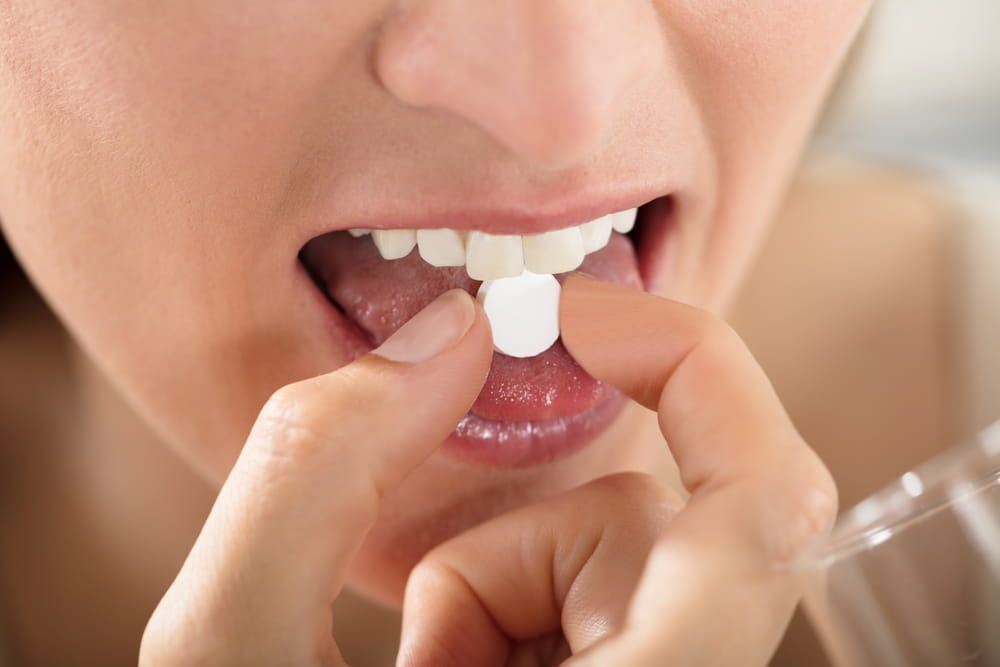
Medications play a vital role in managing a wide range of health conditions, but many people are unaware of how these treatments can affect oral health. At Tulsa Precision Dental in Tulsa, OK, Dr. Chris Vinson emphasizes the importance of understanding these side effects so patients can take proactive steps to protect their smiles. Whether prescribed or over-the-counter, certain medications can influence saliva production, gum health, and even the integrity of your teeth.
By becoming more aware of how medications interact with your oral environment, you can work toward preventing complications and maintaining a healthy, comfortable smile.
How Medications Affect the Mouth
Many medications can alter the natural balance of the mouth, often in subtle ways that develop over time. One of the most common effects is reduced saliva production, also known as dry mouth. Saliva plays a crucial role in washing away food particles, neutralizing acids, and protecting teeth from decay.
When saliva levels drop, harmful bacteria can thrive, increasing the risk of cavities, gum disease, and bad breath. A wide range of medications—including antihistamines, antidepressants, blood pressure medications, and pain relievers—can contribute to this issue. Regular visits for Dental Cleaning & Consultation can help monitor these changes and address concerns before they worsen.
In addition to dry mouth, some medications may cause changes in taste, soft tissue irritation, or even gum overgrowth. These side effects can make eating and maintaining oral hygiene more difficult, further impacting overall dental health.
Common Oral Side Effects of Medications
The effects of medications on oral health can vary depending on the type, dosage, and duration of use. Some side effects are temporary, while others may persist as long as the medication is taken.
Dry mouth remains one of the most widespread concerns, but it is not the only one. Certain medications can lead to increased plaque buildup, tooth discoloration, or heightened sensitivity. Others may cause inflammation or bleeding of the gums, making routine brushing and flossing uncomfortable.
Here are some common oral side effects associated with medications:
- Dry mouth (xerostomia)
- Gum inflammation or overgrowth
- Increased risk of cavities
- Changes in taste perception
- Oral sores or irritation
If left unaddressed, these issues can lead to more serious conditions that may require treatments such as Composite Tooth-Colored Fillings or Crowns and Bridges to restore damaged teeth.
The Link Between Dry Mouth and Tooth Decay
Dry mouth is more than just an uncomfortable condition—it can have a significant impact on your dental health. Without adequate saliva, the mouth becomes more acidic, creating an environment where bacteria can thrive and enamel can weaken.
This increased acidity can accelerate tooth decay and lead to cavities forming more quickly than usual. Patients experiencing chronic dry mouth may find themselves needing more frequent dental treatments to maintain their oral health.
Staying hydrated is one of the simplest ways to combat dry mouth, but additional strategies such as sugar-free gum, saliva substitutes, and good oral hygiene practices can also help. Regular checkups allow dental professionals to assess the severity of dry mouth and recommend appropriate solutions.
Managing Medication-Related Oral Health Issues
While you should never stop taking prescribed medications without consulting your healthcare provider, there are many ways to manage their effects on your oral health. Being proactive can significantly reduce the risk of complications.
Maintaining a consistent oral hygiene routine is essential. Brushing with fluoride toothpaste, flossing daily, and using antimicrobial mouthwash can help protect against the increased risk of decay and gum disease. In some cases, treatments like Fluoride applications may be recommended to strengthen enamel and prevent cavities.
It’s also important to inform your dentist about all medications you are taking, including supplements. This allows for personalized care and adjustments to your treatment plan if needed. Advanced diagnostics such as CBCT Scans may be used to evaluate underlying issues and ensure accurate treatment planning.
When to Seek Professional Dental Care
Recognizing when medication side effects are affecting your oral health is key to preventing long-term damage. Persistent dryness, gum changes, or unusual discomfort should not be ignored.
Seeking timely care can help address issues before they escalate into more serious problems. Services like Dental Emergencies can provide prompt attention when urgent symptoms arise, such as severe pain or infection.
Routine dental visits also play a critical role in early detection. By maintaining regular appointments, patients can receive guidance tailored to their specific needs and ensure that any medication-related concerns are managed effectively.
Protecting Your Smile While Taking Medications
Although medications can have unintended effects on oral health, these challenges can be managed with the right approach. Awareness, prevention, and consistent care are the keys to maintaining a healthy smile.
Patients who stay informed and proactive are better equipped to handle the impact of medications on their teeth and gums. Simple habits like drinking more water, practicing good oral hygiene, and attending regular dental visits can make a significant difference.
At Tulsa Precision Dental in Tulsa, OK, Dr. Chris Vinson encourages patients to take an active role in their oral health, especially when managing medications. With the right care and attention, you can protect your smile and maintain strong, healthy teeth for years to come.
Resources
Villa, A., & Abati, S. (2011). Risk factors and symptoms associated with xerostomia: A cross-sectional study. Australian Dental Journal.
Turner, M. D., Ship, J. A. (2007). Dry Mouth and Its Effects on the Oral Health of Elderly People. Journal of the American Dental Association.
National Institute of Dental and Craniofacial Research. (2022). Medications and Oral Health. U.S. Department of Health and Human Services.