


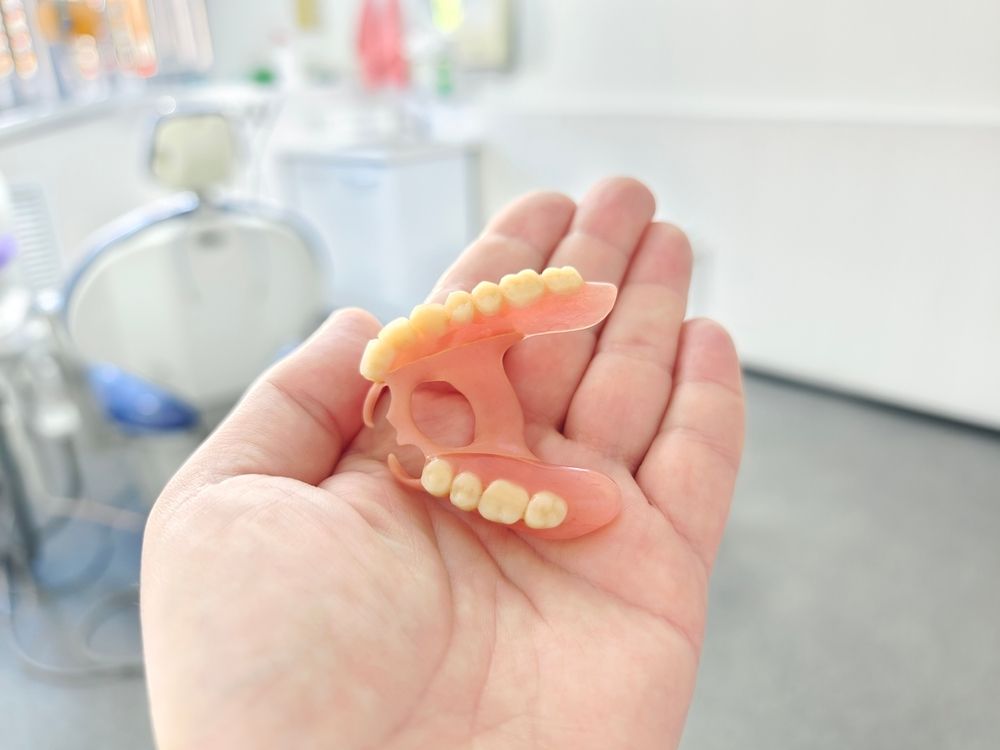
When it comes to restoring your smile and improving oral function after tooth loss, partial dentures offer an effective and affordable solution. At Tulsa Precision Dental in Tulsa, OK, understanding the basics of partial dentures can empower you to make informed decisions about your dental health. This blog will guide you through what partial dentures are, their benefits, how they are cared for, and what you can expect if you choose this restorative option.
What Are Partial Dentures?
Partial dentures are removable dental appliances designed to replace one or more missing teeth in the upper or lower jaw. Unlike full dentures, which replace an entire arch of teeth, partial dentures fill in gaps where some natural teeth remain. They consist of replacement teeth attached to a gum-colored plastic base, often supported by a metal framework that helps anchor the denture securely in the mouth.
The primary purpose of partial dentures is to restore the ability to chew and speak properly while preventing the remaining natural teeth from shifting out of place. Tooth loss can cause neighboring teeth to tilt or drift into open spaces, leading to bite issues and increased risk of gum disease or decay. Partial dentures help maintain proper tooth alignment and support facial structures to prevent the sunken look often associated with missing teeth.
Partial dentures can be custom-made to match the color and shape of your natural teeth, providing a natural appearance. They are typically fitted to be comfortable and functional, although some patients may need a short adjustment period to get used to wearing them.
Benefits of Choosing Partial Dentures
Partial dentures offer several significant advantages that make them a popular choice for many patients experiencing tooth loss. One of the biggest benefits is affordability. Compared to fixed bridges or dental implants, partial dentures tend to be less expensive and more accessible to a wide range of patients. This makes them an attractive option for restoring oral function without undergoing invasive procedures.
Another key benefit is their non-invasive nature. Since partial dentures are removable and do not require surgery, they avoid many of the risks associated with dental implants or complex bridgework. This can be especially important for patients who have medical conditions that make surgery inadvisable or who prefer a more conservative approach.
Partial dentures also provide flexibility. Because they are removable, patients can clean both the dentures and their remaining natural teeth more thoroughly, helping to maintain good oral hygiene. Additionally, if more teeth are lost in the future, partial dentures can often be adjusted or replaced relatively easily compared to fixed restorations.
How Partial Dentures Are Made and Fitted
The process of getting partial dentures typically begins with a comprehensive dental exam, including X-rays and impressions of your teeth and gums. This helps the dentist create a precise mold of your mouth to design dentures that fit comfortably and function effectively. The design process also involves selecting the right shade, shape, and size of replacement teeth to ensure a natural look.
Once the dentures are crafted, usually in a dental laboratory, your dentist will schedule a fitting appointment. During this visit, the dentures are placed in your mouth, and adjustments are made to ensure a snug fit that does not irritate the gums or cause discomfort. Proper fit is crucial to avoid problems like sores, difficulty speaking, or problems chewing.
After fitting, you may need to wear the dentures for a trial period, during which additional adjustments can be made to optimize comfort and function. It’s common for patients to experience some mild soreness or difficulty speaking initially, but these issues generally improve as you adapt to the appliance.
Caring for Partial Dentures
Maintaining your partial dentures is essential for their longevity and your oral health. Since partial dentures are removable, they require daily cleaning to prevent plaque buildup, staining, and odors. A soft-bristle denture brush and mild cleanser designed for dentures are recommended to clean all surfaces gently without damaging the material. Avoid using regular toothpaste as it can be abrasive.
It’s important to remove your partial dentures at night to give your gums a chance to rest and to prevent fungal infections. While removed, store the dentures in water or a denture-soaking solution to keep them moist and maintain their shape. Regular dental checkups are also necessary to monitor your oral health, ensure the dentures fit well, and make any needed adjustments.
Here are some quick care tips for partial dentures:
- Rinse dentures after every meal to remove food particles.
- Brush your natural teeth and gums thoroughly to maintain overall oral hygiene.
- Avoid using hot water on dentures, which can warp their shape.
- Handle dentures carefully to avoid dropping and breaking them.
What to Expect When Wearing Partial Dentures
Adapting to partial dentures can take time, and knowing what to expect can ease the transition. Initially, you might notice increased saliva production or minor soreness in the mouth. These symptoms typically diminish as your mouth adjusts. Speaking may also feel awkward at first, but practicing reading aloud or talking slowly can help speed up the process.
Eating with partial dentures may require some patience. Start with soft foods cut into small pieces and gradually reintroduce firmer foods as you become more comfortable. Avoid sticky or hard foods that could dislodge or damage the dentures. Over time, chewing efficiency will improve, and you’ll regain confidence in your smile and bite.
It’s important to maintain realistic expectations; while partial dentures restore function and aesthetics, they may not feel exactly like your natural teeth. However, with proper care and adjustment, they can significantly enhance your quality of life.
At Tulsa Precision Dental in Tulsa, OK, patients can benefit from learning about partial dentures as a valuable option for managing tooth loss. With this knowledge, individuals are better equipped to make thoughtful decisions about their oral health.
Resources:
- Shulman, J. D., & Vallittu, P. K. (2017). Removable Partial Dentures: A Clinical Guide. Quintessence Publishing.
- Carlsson, G. E. (2009). Critical Review of Some Dogmas in Prosthodontics. The Journal of Prosthetic Dentistry.
- McKenna, G., & Allen, P. F. (2010). Patient Satisfaction with Removable Partial Dentures. Journal of Oral Rehabilitation.