


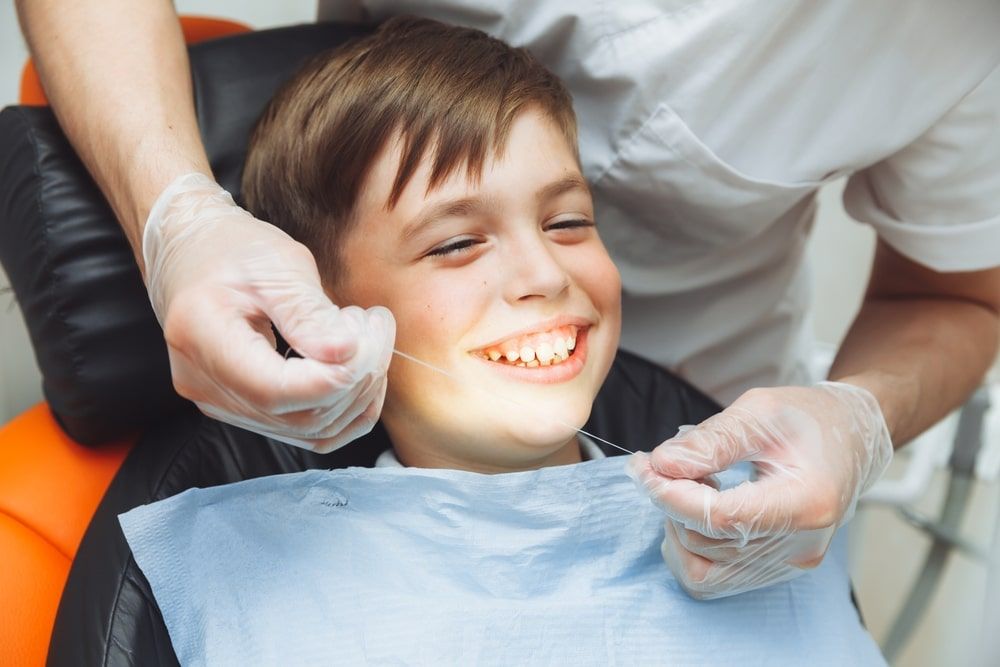
Caring for your child’s teeth is one of the most important aspects of their overall health. At Tulsa Precision Dental in Tulsa, OK, Dr. Chris Vinson emphasizes that teaching kids good dental habits from an early age sets the foundation for a lifetime of healthy smiles. Primary (baby) teeth may seem temporary, but they play a critical role in your child’s speech development, chewing, and the alignment of permanent teeth later on. Establishing proper care routines helps prevent common issues like cavities and gum disease, ensuring your child grows up with a positive view of dental health.
Developing trust with your dentist early on can make all the difference. Many children fear their first dental experience simply because it’s new. But with patience, gentle guidance, and consistent at-home care practices, parents can turn dental hygiene into a fun and rewarding part of a child’s daily routine. Regular visits to a trusted provider help ensure small issues are caught before they become serious problems.
The Importance of Early Dental Visits
Experts recommend that a child’s first dental visit should occur either when their first tooth appears or by their first birthday. This initial appointment focuses on helping both parent and child become comfortable with dental care. It also allows the dentist to assess your child’s oral development and spot any potential problems early on. Regular checkups after this first visit should occur every six months to maintain proper oral hygiene and monitor growth.
Dental visits at a young age do more than just clean teeth—they also build trust and familiarity with oral care professionals. Children who start dental checkups early are more likely to feel comfortable in the chair as they grow. These visits also give parents valuable insight into brushing techniques, diet recommendations, and fluoride needs.
If your child ever needs specialized procedures like pediatric sedation, it’s comforting to have a dentist who understands their dental and emotional history, ensuring their experience remains stress-free and supportive.
Building Strong Brushing and Flossing Habits
Good oral hygiene starts at home. Even before a baby’s first tooth appears, parents can begin by wiping the gums with a soft, damp cloth after feedings. Once teeth emerge, brushing should start immediately, using a soft-bristled, age-appropriate toothbrush and fluoride toothpaste (about the size of a grain of rice for toddlers).
By the time children reach age three, they can begin learning how to brush under supervision. Parents should teach them the following basics:
- Brush at least twice a day for two minutes each session.
- Clean all tooth surfaces, including along the gumline.
- Replace toothbrushes every three months or after illnesses.
- Begin flossing once two teeth touch.
Developing these habits takes time, but making brushing into a positive routine can help. Some families use music, timers, or sticker charts as incentives. Engaging kids with fun tools like brightly colored toothbrushes or toothpaste flavors can make it feel less like a chore and more like a celebration of self-care.
Nutrition’s Role in Oral Health
A healthy diet is key to strong teeth. While most people think first about avoiding sweets, what children eat (and drink) daily can influence the strength of their enamel and the development of cavities. Foods high in sugar or starch provide fuel for bacteria that produce acid, which weakens enamel. Frequent snacking throughout the day increases exposure to these acids and increases decay risk.
Encourage children to drink water frequently—especially fluoridated tap water common in Tulsa, OK. Water helps wash away food particles, neutralizes acids, and keeps the mouth hydrated. Balanced meals featuring fruits, vegetables, dairy products, and lean proteins contribute important calcium and phosphate for tooth strength. Limiting sugary juices and sticky snacks like fruit chews can help prevent cavities before they start.
Managing Cavities and Dental Emergencies
Even the most diligent parents may face dental challenges such as cavities or injuries. Tooth decay is among the most common chronic conditions in children, often occurring when plaque isn’t removed regularly. Cavities can be treated efficiently using composite tooth-colored fillings, which blend seamlessly with natural teeth. Addressing cavities early helps prevent pain, infection, and the need for more complex treatments later.
Sometimes kids experience accidents during play or sports that result in chipped or knocked-out teeth. In such cases, it’s essential to contact your dentist right away. Facilities such as those offering dental emergencies services provide urgent care to preserve your child’s smile and relieve discomfort quickly. Proper emergency care can also protect surrounding teeth and ensure continued healthy development.
Encouraging Confidence Through Dental Care
For many children, having a bright, healthy smile boosts confidence and social interaction. Regular dental checkups and preventive care help keep that smile shining. Professional cleanings, such as dental cleaning & consultation, remove tartar and plaque that brushing can’t reach. These visits also offer parents personalized advice based on their child’s individual oral health and development.
By making dental care an enjoyable and valued part of everyday life, children grow up viewing oral hygiene as something positive rather than a chore. From their first dental visit to their teenage orthodontic adjustments, a child’s smile reflects the combined care and commitment of both parents and dental professionals.
At Tulsa Precision Dental in Tulsa, OK, Dr. Chris Vinson and his team encourage families to prioritize excellent oral health habits early. By teaching children how to brush properly, visiting the dentist regularly, and maintaining healthy nutrition, parents give them the tools to enjoy strong, confident smiles that last a lifetime.
Resources:
American Academy of Pediatric Dentistry. (2023). Guideline on Infant Oral Health Care. Pediatric Dentistry Journal.
Centers for Disease Control and Prevention. (2022). Children’s Oral Health: How to Keep Teeth Healthy.
National Institute of Dental and Craniofacial Research. (2021). Protecting Teeth in Childhood and Adolescence.