


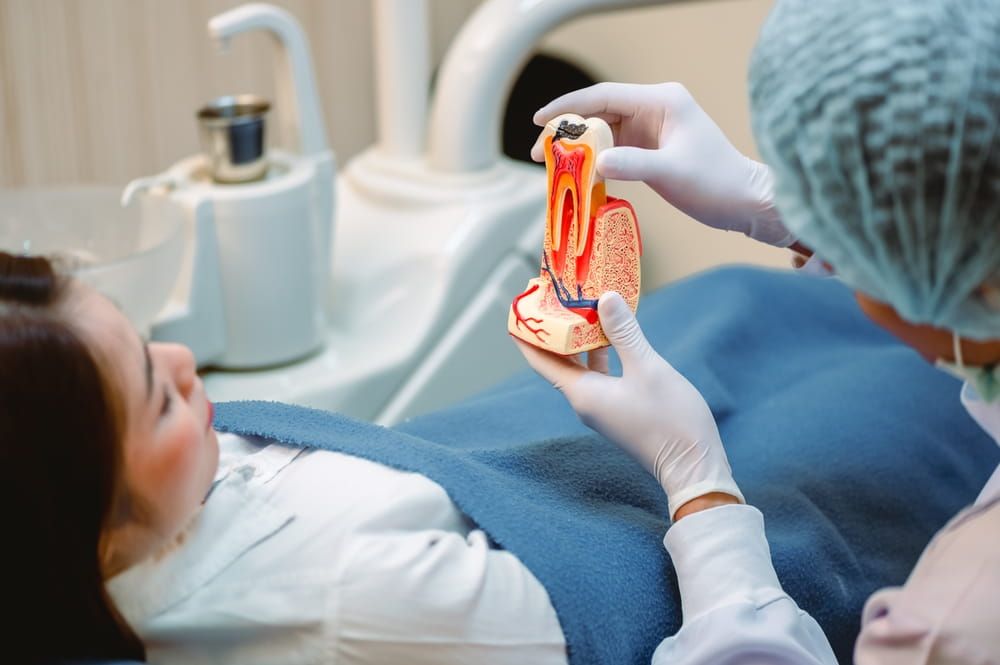
When many people hear the phrase “root canal,” they may immediately associate it with discomfort or anxiety. However, a root canal is a common dental procedure designed to relieve pain and preserve a natural tooth that has become damaged or infected. At Tulsa Precision Dental in Tulsa, OK, Dr. Chris Vinson understands that having accurate information can help patients feel more confident when making decisions about their oral health.
A root canal is needed when the soft inner portion of a tooth, known as the pulp, becomes inflamed or infected. The pulp contains nerves and blood vessels that help support tooth development when a tooth is forming. Once a tooth is fully developed, it can survive without the pulp because the surrounding tissues continue to provide nourishment. Root canal treatment removes the damaged pulp, cleans the inside of the tooth, and seals it to help prevent future infection.
Common causes that may lead to the need for a root canal include deep tooth decay, cracks or fractures in the tooth, repeated dental procedures, or trauma. When bacteria reach the inner portion of a tooth, an infection can develop and may cause symptoms such as persistent tooth pain, sensitivity to hot or cold temperatures, swelling, or discomfort when biting down.
Why Root Canals Are Necessary for Tooth Health
The primary purpose of a root canal is to save a natural tooth rather than remove it. Preserving natural teeth is generally beneficial because they help maintain proper chewing function, support surrounding teeth, and contribute to a healthy bite. Without treatment, an infected tooth may continue to deteriorate and could eventually require extraction.
A root canal can also help prevent the spread of infection to nearby tissues. When bacteria remain inside an infected tooth, they can potentially lead to an abscess, which is a pocket of infection that may cause swelling and more severe discomfort. Addressing the problem early can help protect overall oral health and reduce the risk of additional complications.
Some patients delay treatment because they are concerned that root canals are painful. Modern dental techniques, improved technology, and effective anesthesia have made root canal procedures much more comfortable than many people expect. In many cases, the discomfort caused by an infected tooth is significantly greater than the sensations experienced during treatment.
What Happens During a Root Canal Procedure
A root canal procedure typically involves several important steps to restore the tooth. First, the dentist examines the tooth and may use diagnostic tools to determine the extent of the damage. Once treatment begins, the area is numbed to help ensure patient comfort throughout the procedure.
During the treatment, the dentist creates a small opening in the tooth to access the infected pulp. The damaged tissue is carefully removed, and the inside of the tooth is cleaned and disinfected. After the tooth has been thoroughly prepared, the space is filled with a special material that helps seal the tooth and prevent bacteria from returning.
After a root canal, the tooth may need additional protection because it can become more fragile after the removal of the pulp. A restoration such as a crown is often recommended depending on the location and condition of the tooth. Proper restoration helps restore strength, function, and appearance while allowing the tooth to continue serving its purpose.
Signs You May Need a Root Canal
Recognizing possible warning signs can help patients seek dental care before a problem becomes more serious. While only a dental professional can determine whether a root canal is necessary, certain symptoms may indicate that the inner portion of a tooth is affected.
Some common signs include:
- Ongoing tooth pain or discomfort
- Increased sensitivity to heat or cold
- Pain when chewing or applying pressure
- Swollen or tender gums near a tooth
- Tooth discoloration
- A recurring pimple or abscess on the gums
It is important to remember that some infected teeth may not cause noticeable symptoms right away. Regular dental examinations allow problems to be identified before they progress. Early detection can make treatment more manageable and help protect the health of the affected tooth.
Maintaining Your Tooth After Root Canal Treatment
A tooth that has received a root canal can often function normally for many years with proper care. Maintaining good oral hygiene habits, including brushing, flossing, and attending routine dental visits, plays an important role in protecting the treated tooth and surrounding teeth.
Patients should also follow any aftercare recommendations provided by their dental professional. Avoiding excessive pressure on a treated tooth until it has been fully restored and paying attention to any changes in comfort or function can help support long-term results.
Understanding the facts about root canals can make the process feel less intimidating. For patients in Tulsa, OK, Tulsa Precision Dental and Dr. Chris Vinson emphasize the importance of education and informed decisions when it comes to maintaining healthy smiles.
Resources
- American Association of Endodontists. (2024). Root Canal Treatment: What You Need to Know. American Association of Endodontists.
- American Dental Association. (2024). Oral Health Topics: Root Canal Treatment. American Dental Association.
- European Society of Endodontology. (2023). Quality Guidelines for Endodontic Treatment. International Endodontic Journal.